
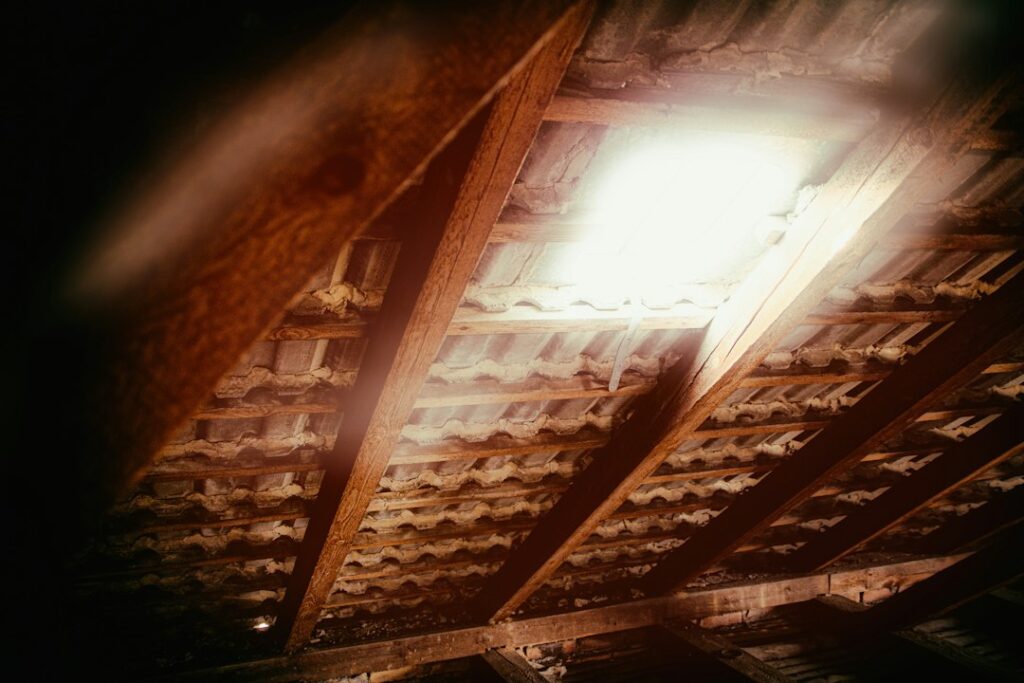
Roof problems caused by pests often begin with a gap that is difficult to see from the ground. Squirrels, mice, bats, birds, insects, and occasionally raccoons can use openings around roof edges, vents, chimneys, and damaged roofing materials to reach attic spaces.
In Salamanca, NY, seasonal weather can make these weaknesses worse. Snow, ice, wind, freeze-thaw cycles, and summer storms may loosen materials or enlarge small openings over time. A roof does not need a large hole for an animal to get inside.
Where do pests usually enter a roof?
Most animals enter through roof details rather than through the middle of an intact shingle surface. Common access points include:
- Damaged or missing shingles
- Loose soffits and fascia boards
- Gaps at roof-to-wall intersections
- Unsealed plumbing or electrical penetrations
- Roof vents with broken screens
- Openings around chimneys
- Damaged ridge vents or gable vents
- Gaps beneath flashing
- Unprotected attic ventilation openings
- Areas where two roof sections meet
Small rodents can fit through surprisingly narrow openings. Squirrels and birds may enlarge a gap by chewing or pulling at soft wood, insulation, felt, or deteriorated trim. Bats can enter through narrow cracks near eaves, vents, flashing, and roof transitions.
A gap may be hidden behind a gutter, under a lifted shingle, or above a soffit. That is why an attic inspection can reveal problems that are not obvious during a casual roof check.
How do squirrels, mice, and other rodents get inside?
Squirrels often reach roofs from nearby trees, utility lines, fences, or adjacent structures. Once on the roof, they may investigate weak spots around vents, eaves, and roof edges. They can chew through certain types of trim and may create an opening large enough to enter an attic.
Mice usually enter through low-level gaps, foundation openings, garages, or wall penetrations, but they can also reach attic spaces through roof and soffit openings. They may follow wall cavities, wiring paths, or insulation gaps after entering another part of the home.
Rats and larger rodents can damage insulation and wiring after gaining access. Their presence may be noticed through scratching sounds, droppings, gnaw marks, or a persistent odor.
A common misconception is that a pest must enter directly through a roof hole. In many homes, the animal first enters through a damaged soffit or fascia area and then moves into the attic. The roof system and upper wall assembly work together, so both areas need to be checked.
Can birds and bats enter through roof vents?
Yes. Roof vents are designed to allow air movement, but they can also become entry points when screens, covers, or protective louvers are damaged or missing.
Birds may build nests inside vents, chimneys, or roof cavities. Nesting material can restrict ventilation and create a fire or moisture concern around certain exhaust systems. Bird droppings and nesting debris may also stain building materials and introduce unpleasant odors.
Bats commonly use sheltered spaces such as attics, enclosed eaves, and roof cavities. They may enter through gaps around flashing, vents, chimneys, or siding connections. Signs can include droppings below an entry point, staining, a musty odor, or bats appearing around the roof at dusk.
Bats should not be sealed inside a building. In New York, seasonal timing matters because exclusion during a maternity period can trap young bats inside. Anyone dealing with bats should also avoid direct contact, since bat exposure can create rabies concerns even when no bite is obvious.
How do insects get under roofing materials?
Insects generally use smaller openings than mammals. Ants, wasps, bees, beetles, and other insects may enter through gaps in flashing, deteriorated wood, roof penetrations, or openings around vents.
Moisture makes these areas more attractive. Leaking roof sections, wet fascia, rotting soffits, and damp insulation can create conditions that support insects and the organisms they feed on. Carpenter ants, for example, are more likely to use softened or moisture-damaged wood than sound, dry framing.
Wasps and bees may build nests beneath eaves, inside wall cavities, or around roof overhangs. A nest near an attic vent can indicate that the vent screen or surrounding trim is no longer secure.
Not every insect found indoors entered through the roof. Some come through windows, doors, firewood, plumbing penetrations, or wall cracks. However, recurring insect activity near ceilings, attic hatches, or upper-floor walls deserves a closer look at the roof and attic envelope.
Why does seasonal weather increase roof entry risks?
Cold-weather conditions can turn minor roof defects into larger openings. Water enters a crack, freezes, expands, and places pressure on nearby materials. Repeated freeze-thaw cycles may loosen flashing, split sealants, or lift roofing components.
Heavy snow and ice can also stress gutters, drip edges, fascia, and lower roof sections. Wind may move shingles or expose gaps around vents. After a storm, animals may take advantage of newly damaged areas before the problem is visible from the ground.
During warmer months, wildlife may seek dry, sheltered attic spaces for nesting. In winter, warmth escaping from a building can make an attic attractive to rodents and other animals looking for protection from cold conditions.
Homes with older roofing materials, enclosed porches, additions, or multiple roof levels may have more seams and transitions for pests to investigate. These features are not automatically defects, but they require careful maintenance.
What signs suggest a pest has entered through the roof?
The most useful clues are usually found in the attic or around the exterior roofline. Watch for:
- Scratching, scampering, fluttering, or chewing sounds
- Droppings or urine staining
- Torn insulation or disturbed nesting material
- Gnawed wood, wiring, or vent components
- Feathers, fur, or dried leaves
- Grease marks near frequently used openings
- Daylight visible through roof or soffit gaps
- New odors in upper rooms
- Water stains near suspected entry points
- Animals entering or leaving at dawn or dusk

The location of the evidence can help identify the route. Droppings directly below a vent may point to a vent problem, while damaged insulation near an eave may indicate entry through the soffit or fascia.
How can homeowners reduce roof entry opportunities?
Prevention begins with keeping roof openings closed while preserving proper ventilation. Useful maintenance steps include:
- Inspecting soffits, fascia, flashing, and roof edges at least twice a year
- Replacing broken vent screens and damaged covers
- Keeping chimney openings protected with an appropriate cap
- Trimming branches that provide easy access to the roof
- Repairing lifted, missing, or cracked roofing materials
- Sealing gaps around penetrations with suitable, durable materials
- Keeping gutters from pulling away from fascia boards
- Removing food, birdseed, and unsecured garbage near the home
- Checking attic insulation for nests, droppings, and disturbed areas
Repairs should not block designed ventilation pathways. Closing every opening without understanding how the attic breathes can trap moisture and contribute to condensation, mold, or roof deterioration.
What should be done if an animal is already inside?
Do not immediately seal the suspected opening. An animal may still be inside, or young animals may be dependent on an adult that is being excluded. Sealing the wrong opening can trap wildlife in the attic or force it into living areas.
First, identify the species and the active entry point if it can be done safely. Avoid handling bats, raccoons, injured animals, or contaminated nesting material. Wiring damage, strong odors, droppings, unstable roof surfaces, and steep or icy conditions also create hazards that should not be approached casually.
The lasting solution is usually a coordinated process: identify the entry route, allow safe exit where appropriate, remove nesting material, repair the damaged roof or trim, and install durable screening or barriers that do not interfere with ventilation. A roof is pest-resistant only when its small openings, edges, vents, and transitions remain in good condition.
