
How Can Salamanca, NY Residents Spot Signs of Poor Roof Installation?
Spotting the signs of a poorly installed roof early can prevent larger issues later. Residents in Salamanca, NY often face harsh winters, frequent precipitation, and fluctuating temperatures, all of which test a roof’s durability. Poor installation can compromise a home’s ability to withstand this local climate. Knowing what to look for helps homeowners ask the right questions during inspections or after recent work.
What Are the Most Noticeable Visual Clues?
Visible warning signs often show up soon after installation or after the next significant storm. These indicators may include:
- Shingles not lying flat: Shingles should create a smooth, even appearance. If you see bumps, waves, or dips, it may indicate improper nailing or uneven underlying surfaces.
- Exposed nail heads: Properly installed shingles should have nails covered by the overlapping layer above. Visible nails can rust, allowing water in.
- Crooked or inconsistent shingle lines: Straight, consistent rows are a hallmark of good installation. Zig-zagged lines or inconsistent overhangs along eaves may suggest rushed or careless work.
Local context matters in Salamanca, where snow, wind, and ice can exploit even small installation errors, causing premature damage that’s easy to misattribute to weather alone.
How Can Poor Installation Affect Roof Leaks?
A faulty installation is a common source of leaks. Some of the most frequent causes include:
- Incomplete flashing: Around chimneys, skylights, valleys, and roof edges, metal flashing channels water away from vulnerable areas. If missing or improperly installed, even small rains can lead to leaks.
- Incorrect underlayment: Roof underlayment is a water-resistant barrier that should be fully installed prior to shingle placement. Gaps, poor overlaps, or use of the wrong materials can allow moisture to penetrate.
- Unsealed seams: Ice damming is a particular concern in Salamanca, where winter weather creates freeze-thaw cycles. Seams that aren’t sealed provide a path for water to back up underneath roofing materials.
Many homeowners mistakenly blame leaks on old age rather than poor installation, which can lead to repeat problems with each passing season.
Why Do Some New Roofs Develop Mold or Stains Quickly?
When mold, algae, or dark streaks appear soon after installation, poor ventilation is a likely culprit. Proper attic ventilation plays an essential role in keeping moisture levels balanced. Without it, heat and humidity can become trapped, creating a perfect environment for growth.
- Blocked or missing vents: Roof ridge vents, soffit vents, or gable vents may be left out or obstructed by careless installation of insulation or roofing material.
- Insufficient airflow: Even if vents appear present, inadequate spacing or wrong vent types for the home’s square footage and pitch—as sometimes seen in Salamanca’s older, unique housing stock—limits effectiveness.
Early staining or a musty attic odor should prompt a close look at the roof’s venting arrangement, not just cosmetic cleaning.
What Subtle Interior Changes Could Signal Poor Work?
Problems with a new roof don’t always show up outside. Some subtle changes inside a Salamanca home may be red flags for poor installation:
- New water stains on ceilings or walls: Even small marks can suggest leaks tracking from faulty flashing or seams.
- Unexpected drafts or temperature changes upstairs: Poorly-sealed roof decks may allow air leaks, increasing heating bills during Salamanca’s cold seasons.
- Attic dampness: A previously dry attic showing new signs of dampness, condensation, or frost often points back to roofing gaps or insufficient moisture barriers.
These early warning signs are often overlooked by homeowners assuming a new roof is worry-free.
Does Shingle Loss After a Storm Always Mean Poor Installation?
Shingle loss is common during strong wind storms, but if shingles start disappearing after only mild weather, it may point to some typical installation errors:
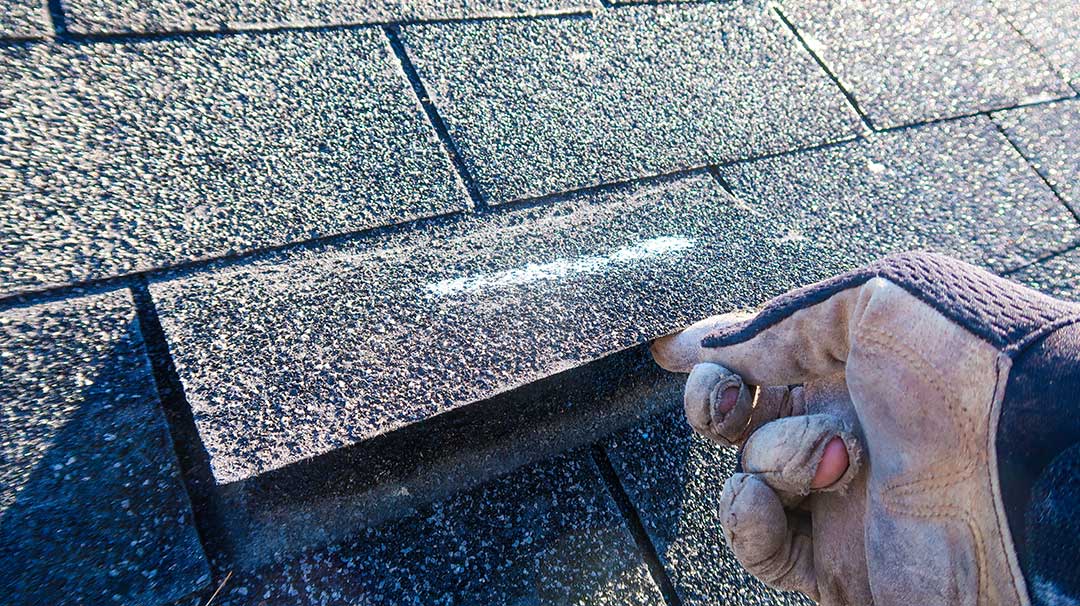
- Under-driven or over-driven nails: Nails should sit flush with the shingle but not go so deep they cut through. Mistakes can leave shingles loose.
- Not enough nails: Local regulations or manufacturer guidelines require a specific number of nails per shingle. Skimping makes the roof more vulnerable to wind blow-off.
- Skipped starter shingles: The first row of shingles along eaves and rakes helps anchor the entire field. Missing this step makes subsequent rows less secure.
In the context of Salamanca’s weather history, new roofs losing shingles outside of severe wind events frequently reflect improper installation, rather than strictly bad luck with weather events.
Are Problems Always Obvious Right Away?
Not all poor roof jobs show immediate warning signs. Sometimes even careful visual checks after installation won’t reveal issues that appear only with time. Hidden issues can include:
- Improper roof pitch for snow load: Roofs in Salamanca should be built to shed snow efficiently. An incorrectly chosen pitch or improper support can cause dangerous accumulation, leading to leaks or structural concerns.
- Inadequate sealing under flashing: This may not leak until ice build-up or wind-driven rain finds its way under a loose edge during the colder months.
- Overhanging shingles: Shingles that extend too far past the roof edge are more likely to break in the wind and allow water behind the gutter line.
Regular monitoring and awareness of these delayed signs are helpful, especially following the city’s seasonal shifts.
What Common Myths Lead to Overlooking Poor Installation?
Homeowners sometimes hold beliefs that prevent early detection of roof issues. Some misconceptions include:
- “A new roof means problem-free coverage for years": Even new roofs can fail if installed carelessly.
- “Only old roofs leak": Recent jobs with poor work can show issues quickly, especially after seasonal weather changes unique to Salamanca.
- “If it passed inspection, it must be fine”: Not all inspections catch subtle installation problems, especially if weather-specific needs aren’t considered.
Recognizing these myths can help local residents stay vigilant even after a seemingly successful roof replacement.
When Should Safety or Legal Rules Guide Next Steps?
Certain aspects of roof assessment or repair can involve risks, like working at heights or interacting with electrical systems (e.g., solar panel connections, antenna mounts). In such situations, safety considerations or local ordinances may require specialized knowledge or equipment. Homeowners should use caution and prioritize safety any time they suspect an issue that involves physical hazards or regulated modifications.
