
What Is a Cool Roof and How Does It Work?
A cool roof is designed to reflect more sunlight and absorb less heat than a standard roof. These roofs use materials or coatings that increase solar reflectance, reducing how much heat is transferred into the home. In a climate like Salamanca, NY—where summers can be warm and humid but winters are cold—this technology can offer year-round benefits for both comfort and energy use.
Cool roofs are made using materials like highly reflective shingles, tiles, or specialized coatings. The concept is simple: by reflecting more solar energy away from your home, the interior spaces stay cooler, especially during the sunny months. While cool roofs are often associated with hot climates, their energy-saving features can also be relevant to homeowners in regions with mixed seasonal temperatures.
Do Cool Roofs Help Lower Energy Bills in Salamanca?
Cool roofs can help lower summer energy bills by reducing the need for air conditioning. Since these roofs keep attics and living spaces cooler, households are less reliant on fans and AC systems during hot periods. In Salamanca, where temperature swings can be significant from spring through early fall, this translates to potential energy savings—though the difference may be less dramatic than in regions with year-round heat.
The actual savings will depend on factors like:
- The amount of direct sunlight your roof receives
- The existing insulation and ventilation in your attic
- Your home's size, orientation, and how much you use air conditioning
- The type of roofing material chosen
Homes with large, unshaded roof areas and minimal tree cover often benefit the most. While savings will vary, even modest reductions in AC use can help, given current energy rates in the region.
Can a Cool Roof Improve Indoor Comfort Without Air Conditioning?
A cool roof can keep upper floors and attics noticeably cooler, especially in older homes where insulation may not be optimal. This improves comfort even without running air conditioning, which is helpful during sticky summer days when opening windows is less effective due to humidity or limited airflow.
In practice, homeowners notice rooms under the roof are less prone to stuffiness, and indoor temperatures remain steadier during heat waves. Those with finished attics or bedrooms on the top floor are likely to experience the most significant comfort improvements. Locally, this means better sleep quality and reduced dependence on portable fans.
Does Installing a Cool Roof Affect Winter Heating in Salamanca?
A common question in the area is whether a cool roof will make a home colder in the winter. For most homes with good insulation in Salamanca, winter heat loss occurs far more through air leaks, poor windows, or inadequate insulation than through the roof surface itself. A cool roof won’t create a noticeable difference in heating costs as long as the attic is properly insulated.
Modern building codes and weatherization recommendations already prioritize attic insulation and air sealing, both of which keep interior warmth inside during the cold months. As a result, any reduction in roof heat absorption in winter is typically offset by better thermal barriers elsewhere in the house. Residents curious about maximizing winter warmth should focus first on weatherproofing basics before worrying about roofing type.
How Does the Local Climate Affect Cool Roof Benefits?
Salamanca experiences a humid continental climate, with warm summers and cold, snowy winters. The primary benefits of cool roofs locally come during late spring, summer, and early fall, when heat buildup in attics can be uncomfortable. During periods of high humidity, cool roofs work in combination with attic ventilation to prevent excess moisture and heat from accumulating, which also protects the integrity of wood framing and roofing materials.
Cool roofs may contribute indirectly to longer roof life by reducing dramatic temperature swings on the roof deck, which helps prevent premature aging of shingles or tiles. Avoiding repeated cycles of excessive heat can mean fewer repairs or replacements in the long run, a practical consideration for many local homeowners.
Are Cool Roofs Compatible With Typical Salamanca Roofing Styles?
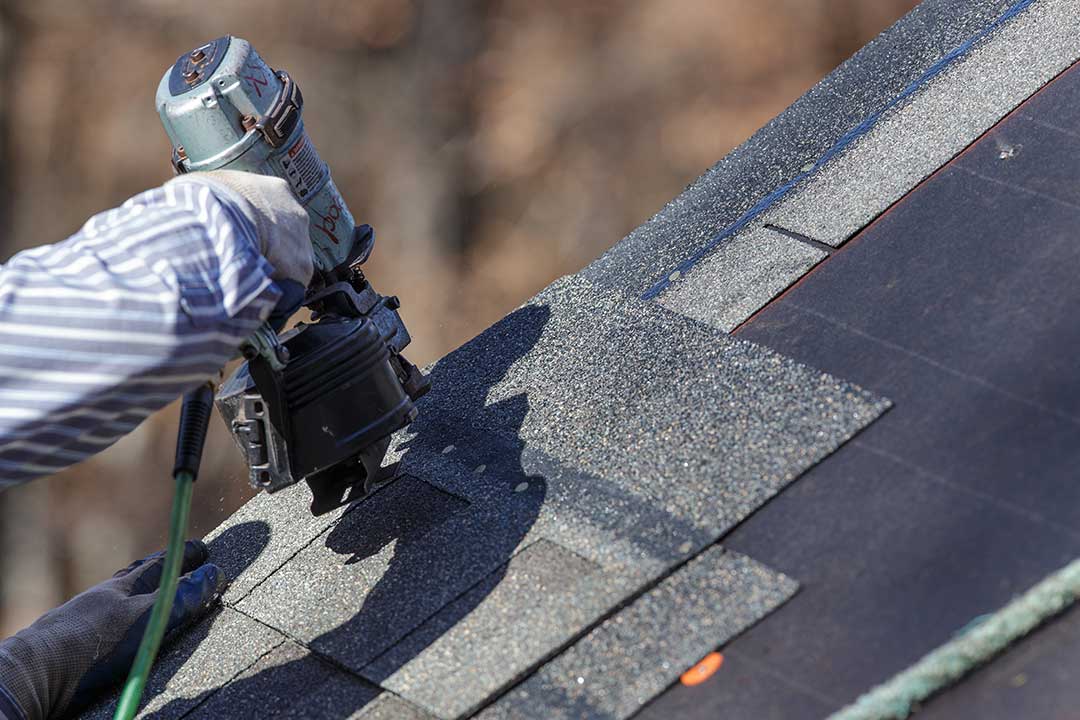
Most existing residential roofs in Salamanca are either asphalt shingle, metal, or (in older cases) wood shake. Cool roof options are available for all these styles. Reflective asphalt shingles, metal panels with reflective finishes, and even cool roof coatings can be used on sloped and flat roofs alike.
Retrofitting an existing roof is possible but may depend on its age and condition. Adding a cool roof coating to a well-maintained roof can provide many of the same energy and comfort benefits, though not all products are suitable for all roof types. Area homeowners considering major renovations or replacements can integrate cool roofing materials without major changes to appearance or structure, maintaining the visual character of their homes and neighborhoods.
What Are the Environmental and Community Benefits?
On a community scale, widespread adoption of cool roofs can slightly reduce local "heat island" effects—where dense neighborhoods experience higher temperatures than surrounding natural areas. This is more noticeable in larger cities, but even in smaller communities like Salamanca, it can mean lower summer temperatures on hot days, less stress on electrical grids, and improved comfort in outdoor spaces.
Cool roofs also support local sustainability efforts by lowering summer electricity demand, especially when many households use window or central air units simultaneously. Improved roof durability means less waste, fewer roofing materials ending up in landfills, and a positive impact on the community's overall environmental footprint.
What Should Homeowners Consider Before Choosing a Cool Roof?
Before deciding, residents should weigh factors such as:
- The amount of direct sunlight the roof receives throughout the year
- Current attic insulation and ventilation quality
- Whether the roof is due for repair or replacement soon
- How much indoor comfort and energy savings matter to the household
- Local building regulations or incentives that may influence material choices
Consulting with a building inspector or reviewing municipal guidelines can clarify any local code requirements. Investing in proper attic sealing and insulation is always recommended as a first step for comfort and efficiency. Once those basics are covered, adding a cool roof can offer meaningful improvements, especially during warm spells.
