

Can You Safely Handle Your Own Roof Repairs?
Most routine home maintenance projects can be approached with a bit of research and patience, but roof work carries distinct risks. For residents of Salamanca, NY, deciding whether it’s safe to tackle this kind of project depends on personal experience, local weather, roof type, and the specific task. Basic repairs may be manageable, while certain scenarios should absolutely be left to those with advanced skills and safety equipment.
What Roof Tasks Are Realistically DIY-Friendly?
Minor jobs like clearing gutters, replacing a few shingles after a storm, or applying limited patch material for very small leaks can sometimes be handled by careful homeowners. These tasks are typically situated near the roof's edge, require only brief time on a ladder, and do not involve significant height or complex roof features.
Common DIY-safe roof jobs for local residents:
- Cleaning moss, leaves, or light debris (if roof pitch is mild and the surface is dry)
- Resealing exposed nail heads or flashing with roofing cement
- Swapping out a cracked shingle in an easily accessible area
However, safety comes first. If ladders cannot be placed securely, if the roof is steeply pitched, or if you’re unsure of your physical stability, even minor jobs may push the limits of do-it-yourself safety—especially with the frequent wind, rain, and snow cycles in Salamanca.
Which Risks Are Highest for Local Homeowners?
Falls are the leading risk, especially on older homes with steep gables or uneven surfaces common in Salamanca neighborhoods. Even confident DIYers should be mindful of:
- Slippery surfaces from dew, frost, rain, or snow
- Shifting roof weights after a wet spring or heavy winter snowpack
- Hidden soft spots under worn shingles or moss patches
Additionally, handling unfamiliar roofing materials or power tools at a height quickly turns routine projects into dangerous ones.
Structural risks are another concern. In some of the area’s older housing stock, loading extra weight or using inappropriate fasteners can cause damage that’s expensive to correct later.
How Does Regional Weather Affect Roof Safety?
Salamanca weather is unpredictable; high humidity, rain, and the occasional ice storm all play a role in project timing. Local residents should avoid any roof work:
- When the roof surface is wet or icy—slips are much more likely
- During periods of strong winds, which can make ladders or even walking on the roof unsafe
- In the months when snow and ice are commonly present, as unseen accumulation may undermine safe footing
Even in warmer months, morning dew and evening dampness can create hazardous conditions lasting well into midday.
Are There Permits or Rules Restricting DIY Roof Work?
For minor repairs, no special permit is typically required. However, any substantial roofing project—such as replacing a large section, altering rooflines, or working near electrical service lines—may be regulated by local building codes.
If the repair involves any structural changes or could affect insulation and energy efficiency standards, code compliance becomes critical. Unpermitted work can create difficulties later when selling or insuring a property.
Homeowners should consult Salamanca’s municipal building department for details before beginning larger roofing efforts, especially for projects visible from the street or impacting other exterior features.
What Safety Precautions Should You Take Before Starting?
If you choose to proceed with minor roof work, some safety principles always apply:
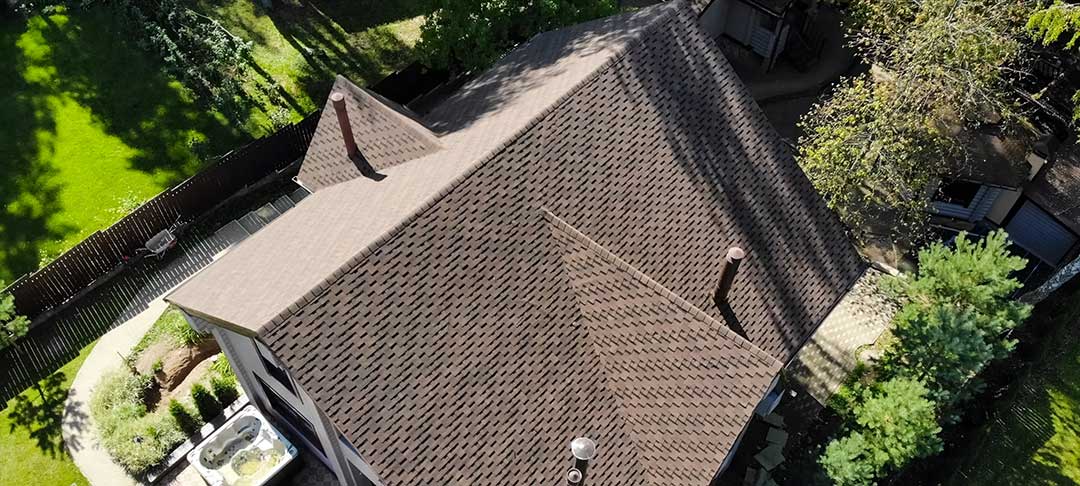
- Use a harness and secure anchor whenever possible on sloped roofs
- Never work alone; have someone available in case assistance is needed
- Check every ladder for stability, locking mechanisms, and slip-resistant feet
- Wear suitable shoes or boots with excellent grip
- Clear the area below the roof from people, pets, and potential hazards
- Plan work for dry, wind-free weather in morning or early afternoon hours
It’s best to start with small, manageable tasks and recognize your limits quickly—especially in the damp and occasionally gusty local conditions.
What Signs Indicate You Shouldn’t Attempt the Work Yourself?
Some situations call for advanced skills, special tools, or simply present hazards a typical homeowner shouldn’t face. Examples include:
- Sagging, warped, or evidently weak roof decking
- Mold, standing water, or unusual “sponginess” underfoot
- Any work near electrical wires or equipment
- Steeply pitched or multi-story roofs not easily accessed from stable ground
- Jobs requiring removal or installation of flashing or full underlayment layers
If you notice any of these warning signs while inspecting your roof—especially in older or historic properties common to the area—it’s safest to step back. Even the most cautious local do-it-yourselfer can misjudge the severity of hidden damage.
How Can You Assess Your DIY Limits Honestly?
Understanding personal limits is key to safety. Local residents should consider both physical ability and available equipment. Experience with heights, ladders, and roofing materials should weigh into any decision to proceed. Minor repairs on a single-story ranch roof? Maybe. Full tear-offs or work on a two-story Victorian in challenging weather? Not worth the risk.
Getting impartial information and talking through the project with others who have done similar work helps in making a sound, safety-first choice.
