
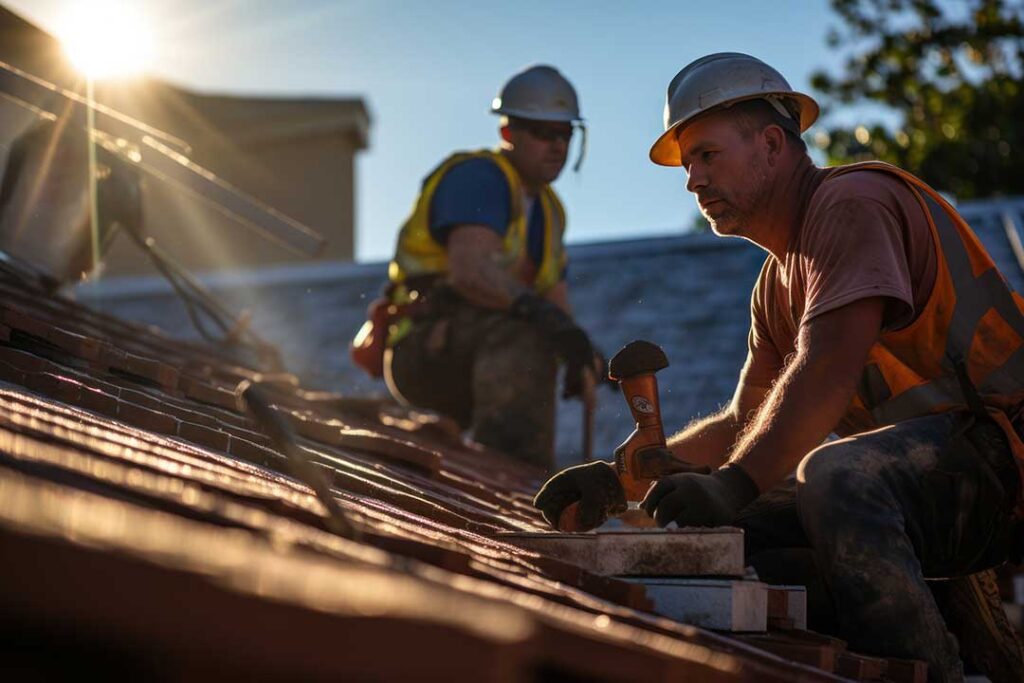
What does the roofing process include?
For a homeowner in Salamanca, NY, roofing usually involves more than placing new shingles over an existing roof. A complete roofing process includes evaluating the structure, planning around weather, removing or preparing existing materials, repairing the roof deck, installing protective layers, and checking the finished system for drainage and ventilation.
The exact work depends on the roof’s age, slope, materials, history of leaks, and condition of the underlying wood. A roof that appears worn from the ground may need only limited repairs, while hidden moisture damage can require more extensive work once the surface is opened.
How is a roof evaluated before work begins?
The process starts with an inspection of the roof and the areas connected to it. This commonly includes:
- Shingles, metal panels, or other outer roofing materials
- Flashing around chimneys, walls, vents, and roof edges
- Valleys where two roof sections meet
- Gutters and downspouts
- Attic insulation, ventilation, and visible moisture
- The roof deck, if it can be examined safely
- Signs of sagging, rot, moss, wind damage, or repeated leaks
Interior evidence can be useful. Water stains on ceilings or upper walls may show that moisture has entered, but the stain is not always directly below the leak. Water can travel along rafters, roof decking, insulation, or framing before becoming visible indoors.
In older homes, several layers of roofing may also be present. The number and condition of those layers affect whether new materials can be installed over them or whether removal is necessary.
Why does the roof deck matter?
The roof deck is the structural surface beneath the visible roofing. It is often made from plywood or other wood panels attached to the roof framing. Shingles and underlayment cannot perform properly if the deck is soft, damaged, or weakened by long-term moisture.
During preparation, sections of the deck may be checked for:
- Soft spots or areas that flex under pressure
- Dark staining, fungal growth, or rot
- Open joints or damaged fasteners
- Previous leak repairs
- Sagging between framing members
Damaged decking generally needs to be removed and replaced with suitable material. Covering deteriorated wood can leave a weak surface beneath the new roof and may allow leaks or movement to continue.
What happens during removal?
If the existing roof must be removed, the old materials are taken off in a controlled sequence. This may include shingles, underlayment, flashing, ridge materials, and damaged decking.
Removal is one of the messier parts of the project because loose roofing can fall near walls, landscaping, driveways, and walkways. Temporary protection may be used around the home, and debris should be managed throughout the work rather than left exposed for long periods.
Weather affects this stage significantly. A roof opened during rain, snow, or rapidly changing conditions can be vulnerable to water entry. In Salamanca, seasonal rain, winter precipitation, ice, and freeze-thaw cycles make weather planning especially relevant. A roof section should not remain exposed longer than necessary.
What protective layers are installed beneath the roof surface?
The visible roofing material is only one part of the system. Beneath it are layers that help control water and wind.
A typical roof may include:
1. Drip edge: Metal edging that helps direct water into gutters and protects the roof perimeter.
2. Underlayment: A water-resistant layer placed over the roof deck beneath the outer covering.
3. Ice-barrier protection: A membrane used in vulnerable areas to reduce damage from water backing up beneath roofing during freezing conditions.
4. Flashing: Water-shedding material installed where the roof meets walls, chimneys, skylights, valleys, and penetrations.
5. Ventilation components: Openings that help move air through the attic space and manage heat and moisture.
These elements are easy to overlook because most are hidden after installation. However, problems with flashing, edge protection, or underlayment are frequent causes of leaks, even when the shingles themselves appear relatively new.
How are shingles or other roofing materials installed?
Installation generally begins at the lower edge of the roof and continues upward. The pattern is designed to overlap materials so rain flows over the surface rather than beneath it. Fasteners must be placed in the correct locations and driven firmly without damaging the material.
At roof valleys, the installation requires special attention because several slopes direct water into one area. Chimneys, plumbing vents, attic vents, and wall intersections also need carefully fitted flashing.
The material selected for a roof affects the installation method. Asphalt shingles, metal roofing, slate, wood products, and synthetic materials each have different requirements for slope, fastening, spacing, ventilation, and weather protection. A material suitable for one roof may not be appropriate for another.
Why are ventilation and insulation part of the roofing process?
Roof ventilation helps manage heat and moisture in the attic. Air may enter through lower intake openings and leave through higher exhaust openings. When the system is balanced, it can reduce condensation and help limit excessive heat buildup.
Poor attic ventilation can contribute to:
- Moisture on the underside of roof decking
- Mold or mildew growth
- Damp insulation
- Peeling paint or ceiling damage
- Premature aging of roofing materials
- Ice buildup along roof edges during freezing weather
Ventilation does not replace proper insulation, air sealing, or moisture control. Bathroom and kitchen exhaust fans should discharge outdoors rather than into the attic. Otherwise, warm humid air can condense against cold roof surfaces.
What should be checked after installation?
A finished roof should be inspected for more than appearance. Useful checks include:
- Straight, secure rows of roofing materials
- Properly installed edge protection
- Sealed and correctly placed flashing
- Clear valleys and drainage paths
- Secure vents and pipe penetrations
- Adequate attic airflow
- Fasteners that are not exposed unnecessarily
- Debris removed from the roof, gutters, and surrounding ground
A careful final review also considers whether water can drain away from the building. Gutters, downspouts, and nearby grading affect roof performance because water that repeatedly collects near the foundation or backs up at the roof edge can create problems beyond the roofing surface.
How long does a roof replacement take?
The duration varies with roof size, shape, material, access, weather, and the amount of concealed damage. A simple roof may be completed relatively quickly, while a complex roof with multiple slopes, dormers, chimneys, or deck repairs takes longer.
Weather delays are not automatically a sign of poor planning. Roofing materials generally need suitable conditions for safe installation and proper sealing. Rain, strong wind, snow, ice, or cold temperatures can affect both worker safety and material performance.
Homeowners can make the process smoother by protecting fragile items in the attic, keeping vehicles away from work areas, securing outdoor objects, and identifying interior signs of previous leaks before work begins.
When does a roof need repair instead of replacement?
A localized repair may be reasonable when the main roofing system is still in sound condition and the problem is limited to a specific area, such as damaged flashing, a missing shingle, or a small section affected by wind.
Replacement becomes more likely when there is widespread granule loss, repeated leaking, extensive deck damage, broad wind or hail damage, severe aging, or multiple areas that have already been repaired. The right decision depends on the roof’s overall condition rather than a single visible defect.
Regardless of the project size, safety concerns deserve priority. Walking on steep, wet, icy, or fragile roofing is hazardous, and attic or structural damage may not be visible from the ground. Some evaluations and repairs require appropriate fall protection, tools, and knowledge of building requirements.
