

Why roof valleys deserve close attention
In Salamanca, NY, roof valleys are among the most vulnerable areas of a home’s roofing system. A valley is the inside angle where two roof slopes meet, directing rain, melting snow, and ice toward the gutters or lower roof edge.
Because water naturally concentrates there, even a small defect can lead to repeated moisture exposure. A failing valley may first appear as a minor stain or loose shingle, but neglected damage can eventually affect roof decking, insulation, ceilings, wall framing, and interior finishes.
What does a failing roof valley look like?
A failing valley often shows visible changes in the roofing materials or nearby surfaces. Common warning signs include:
- Curled, cracked, blistered, or missing shingles near the valley
- Exposed underlayment, flashing, or roof decking
- Rust, corrosion, dents, or lifted sections in metal valley flashing
- Dark streaks or areas that remain wet longer than the surrounding roof
- Granules collecting heavily near the bottom of the valley or in gutters
- Shingles that appear uneven, buckled, or poorly aligned
- Water stains on ceilings or upper walls below the valley
- Damp insulation or a musty odor in the attic
- Daylight visible through the roof sheathing
A single loose shingle does not always mean the entire valley has failed. The more significant concern is whether water has found a path beneath the roofing layers.
How can homeowners inspect a valley safely?
A ground-level inspection can reveal many early warning signs without requiring anyone to walk on the roof. Use binoculars from the yard or look from an upper window if the valley is visible.
Check whether the valley has:
- A continuous, clear drainage path
- Shingles that lie flat and remain securely attached
- Flashing that appears straight and intact
- Leaves, twigs, moss, or other debris blocking water flow
- Areas where water may be forced sideways under the shingles
Roof surfaces can be slippery even when they look dry. Wet leaves, frost, algae, and fine granules can make footing unreliable. Walking directly on a roof valley is especially risky because the slope changes at the intersection and the materials may be weakened beneath the surface.
What should be checked inside the attic?
Interior inspection is useful because roof-valley leaks do not always appear directly below the exterior damage. Water can travel along rafters, roof decking, insulation, or wiring before becoming visible.
On a dry day, use a flashlight to examine the underside of the roof near the valley. Look for:
- Darkened or discolored wood
- Water marks or drip trails
- Soft, swollen, or deteriorating roof sheathing
- Damp insulation
- Mold-like growth caused by persistent moisture
- Rust on nails, fasteners, or metal components
- Fresh sawdust-like material from wood deterioration
A moisture meter can help identify damp wood, but a normal reading does not always rule out a leak. Roof assemblies may dry between storms, leaving only staining or material deterioration behind.
Why do Salamanca’s seasonal conditions affect roof valleys?
The local climate exposes roof valleys to repeated cycles of rain, snow, freezing temperatures, and thawing. During winter, snow can collect where two roof slopes meet. As temperatures rise, melting water may flow beneath ice or refreeze near the valley and lower roof edge.
This process can contribute to ice dams, displaced shingles, and damaged flashing. Heavy wet snow also adds weight to roofing materials that may already be weakened by age or moisture.
Autumn debris is another concern. Leaves and small branches can settle in valleys, slowing drainage and keeping the roofing surface damp. Organic debris may also conceal cracked shingles or small openings that would otherwise be visible.
What causes roof valleys to fail?
Most valley problems develop from one or more of the following conditions:
Aging roofing materials
As shingles lose flexibility, they become more likely to crack, split, or break around the valley. Older underlayment and sealants may also lose their ability to resist water.
Damaged or poorly installed flashing
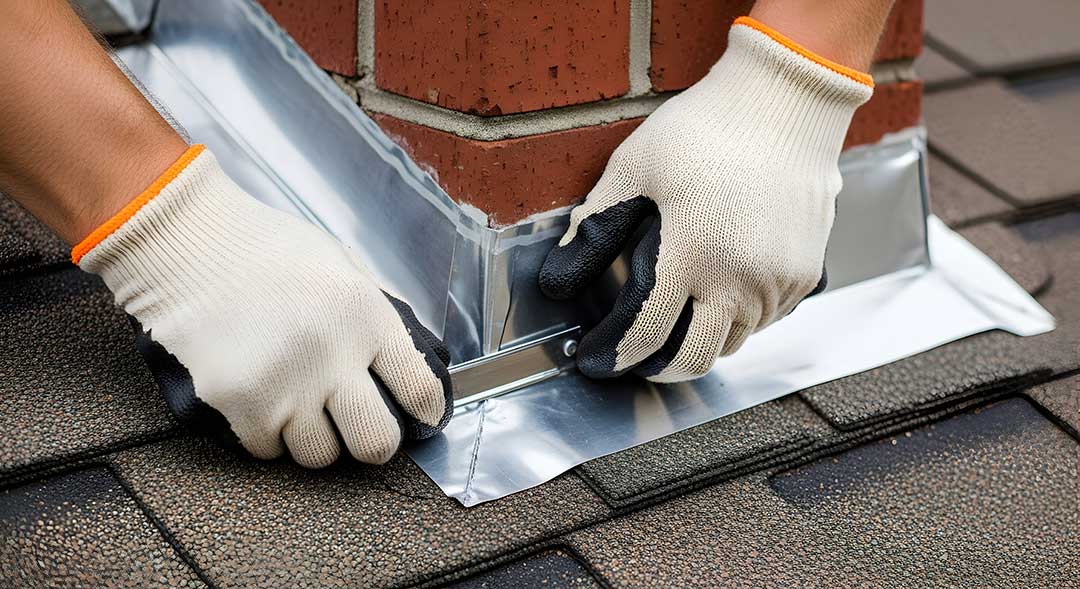
Valley flashing must guide water without allowing it to move underneath the roofing layers. Bent metal, open seams, exposed fasteners, and corrosion can all create entry points.
Debris buildup
Leaves, twigs, pine needles, and roof granules can block normal flow. Trapped moisture increases the time water remains against the roofing materials.
Improper shingle layout
Shingles that are cut too narrowly, poorly sealed, or installed with inadequate overlap may allow water to move sideways beneath them. Misaligned cuts can also create channels where water repeatedly concentrates.
Nearby roof penetrations
Chimneys, skylights, vents, and wall intersections located near a valley may create several drainage transitions in a small area. A leak that appears to come from the valley may actually begin at one of these nearby details.
Structural movement
Settlement, sagging, or changes in the roof framing can alter the slope of a valley. If water no longer drains as intended, ponding and repeated leakage may result.
Are stains on the ceiling always caused by a failing valley?
No. A ceiling stain below a valley may come from several sources, including a plumbing vent, chimney flashing, roof penetration, or condensation in the attic. Water can also travel horizontally before becoming visible indoors.
The location of the stain is therefore a clue, not proof of the leak’s origin. Tracking the moisture path from the attic side and comparing it with exterior conditions is more reliable than assuming the nearest roof feature is responsible.
A stain that appears only after wind-driven rain may indicate a different problem than one that appears during snowmelt. Recording when the leak occurs can help distinguish among possible causes.
What temporary steps can limit further damage?
Temporary measures should focus on reducing interior damage while avoiding unsafe roof access.
- Place a container beneath active drips.
- Move furniture, electronics, and stored belongings away from the affected area.
- Photograph ceiling stains, attic moisture, and visible exterior damage.
- Check the attic after rain or thawing if it can be reached safely.
- Keep gutters and downspouts clear from ground level where possible.
- Avoid covering a wet ceiling with paint, since this can hide continuing moisture.
Roofing cement, plastic sheeting, or other improvised repairs may fail under wind, snow, or freezing conditions. They can also conceal the location of the leak and make later assessment more difficult.
When does a valley problem require urgent attention?
Prompt attention is warranted when water is actively entering the home, the ceiling is sagging, electrical fixtures are wet, or the roof structure appears soft or unstable. A sagging ceiling can collapse if water has accumulated above it, so people should stay clear of the area.
Professional evaluation is also appropriate when the roof is steep, icy, heavily snow-covered, structurally damaged, or inaccessible without specialized equipment. Roof work near power lines, skylights, and unstable surfaces presents additional hazards.
A valley that repeatedly leaks after temporary patching may have a deeper problem involving flashing, underlayment, decking, or roof design. Replacing one visible shingle may not correct the underlying drainage failure.
How can valley problems be reduced?
Regular observation is more useful than waiting for an interior leak. After major storms, strong winds, heavy snowfall, and spring thawing, inspect visible roof areas from the ground and check accessible attic spaces for new moisture or staining.
Keep valleys free of accumulated debris, but do not scrape or pressure-wash roofing materials. Abrasive cleaning can remove protective granules and damage shingles. Tree limbs that rub against the roof should also be addressed before they abrade the surface or drop debris into the drainage path.
The most reliable warning signs are usually a combination of exterior deterioration, unusual water flow, and interior moisture evidence. Identifying those patterns early can help prevent a localized valley defect from becoming broader roof and structural damage.
