
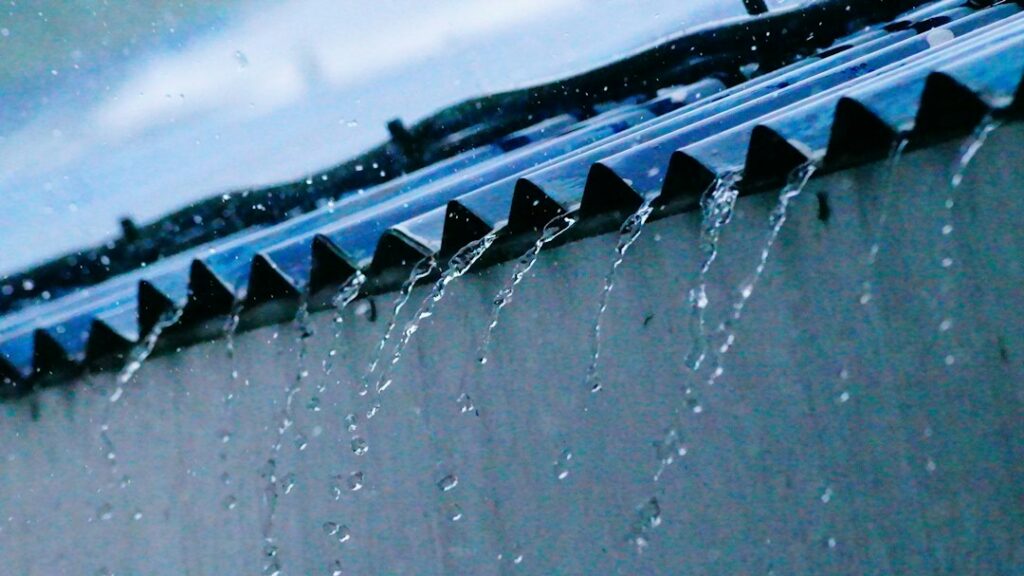
Rain tapping on a roof is normal, but it can become surprisingly loud inside a house. In Salamanca, NY, frequent rain, wet snow, freeze-thaw conditions, and older housing construction can all affect how much outdoor sound reaches bedrooms, attics, and living spaces.
The most effective solutions usually involve several layers: the roof covering, the roof deck, the attic, the ceiling, and nearby drainage components. Reducing noise does not always require replacing the entire roof.
Why does rain sound loud on some roofs?
Metal roofing often produces the sharpest tapping sound, especially when it is installed over open framing or a lightly insulated attic. Asphalt shingles usually soften rainfall more effectively, but they can still transmit noise if the roof deck is thin, the attic is unfinished, or the ceiling has gaps.
Rain noise may also be amplified by:
- A large, uninterrupted roof plane
- Loose or poorly supported roof panels
- An uninsulated attic
- Thin ceiling materials
- Rain striking flashing, skylights, vents, or gutters
- Water dropping from an upper roof edge onto a lower roof
- Wind-driven rain during thunderstorms
- Hard interior surfaces that reflect sound
The sound is often not coming through the roof covering alone. Vibrations can travel through roof panels, rafters, ceiling joists, drywall, ductwork, and framing connections.
Does attic insulation reduce rain noise?
Yes. Adding or improving attic insulation is one of the most practical ways to reduce roof noise in a house with an attic. Insulation absorbs some sound energy and creates more separation between the roof deck and the rooms below.
For a vented attic, insulation should be installed evenly across the ceiling plane without blocking required soffit or roof ventilation paths. Air-sealing gaps around light fixtures, wiring penetrations, chimneys, plumbing openings, and attic access panels can also reduce sound movement.
Insulation works best when:
- The ceiling has continuous coverage
- Compressed or displaced material is corrected
- The attic hatch fits tightly and has insulation attached
- Air leaks are sealed with materials suitable for the location
- Ventilation channels remain open where the roof design requires them
Adding insulation should not involve covering soffit vents or trapping moisture against the roof deck. In the cold season, poor airflow and air leakage can contribute to condensation, which creates a moisture problem in addition to the noise issue.
Can the ceiling be upgraded from inside the house?
A ceiling upgrade can help when roof access is limited or when the attic already has adequate insulation. Adding another layer of gypsum board, using sound-damping compounds, or installing resilient channels can reduce the transfer of vibration into the room.
These methods are most useful during a planned ceiling renovation. They may require adjustments around electrical boxes, light fixtures, trim, and ceiling height.
A tighter ceiling assembly also helps. Cracks at wall-to-ceiling joints, gaps around recessed lights, and openings around ducts can allow both sound and indoor air to pass through. Sealing these areas carefully may improve comfort without changing the roof itself.
In rooms where quiet matters most, such as bedrooms or home offices, carpeting, rugs, curtains, upholstered furniture, and acoustic panels can reduce reflected sound. These measures do not stop roof vibration, but they can make rainfall sound less harsh inside the room.
Is metal roofing always too noisy?
No. Metal roofing can be relatively quiet when it is installed as part of a well-designed roof assembly. The amount of noise depends more on the supporting layers than on the metal surface alone.
Quieter metal roof assemblies may include:
- Solid roof decking beneath the panels
- Underlayment between the metal and roof deck
- Adequate attic insulation
- A finished ceiling below
- Properly fastened panels with minimal movement
- Carefully secured flashing and trim
Metal installed over open framing, such as directly over spaced purlins without solid decking, commonly produces more noticeable rain noise. A roof with solid decking and a finished, insulated attic generally transmits less sound.
Adding loose materials beneath panels is not a universal fix. Any modification must preserve drainage, ventilation, fastener performance, and the roof manufacturer’s installation requirements.
How can gutters and downspouts be made quieter?
Sometimes the loudest rain sound is coming from the drainage system rather than the roof surface. Water can strike the inside of a metal gutter, splash against a downspout elbow, or fall from an upper roof edge onto a lower roof.
Check whether the noise is strongest near:
- Gutter corners
- Downspout outlets
- Elbows near bedroom walls
- Roof valleys
- Areas where two roof sections meet
- A lower roof beneath a steep upper roof

Keeping gutters clear helps water move in a controlled path. Loose sections should not rattle during rainfall or wind. Downspout straps and brackets should hold the pipe firmly against the wall without allowing metal-on-metal movement.
A downspout that discharges directly onto a lower roof may need a better drainage path. Redirecting water toward a suitable outlet can reduce repeated splashing and protect the roof surface from unnecessary wear.
Can roof maintenance affect noise?
Yes. A loose roof component may vibrate under both rain and wind. Missing fasteners, lifted flashing, unsecured vent caps, and damaged shingles can create rattling or irregular tapping sounds.
After a storm, a ground-level inspection can look for:
- Missing or lifted shingles
- Bent or loose metal panels
- Displaced flashing
- Sagging gutters
- Detached downspouts
- Water stains in the attic
- Damp insulation
- Daylight visible through the roof deck
Roof access is hazardous during wet, icy, or windy conditions. Walking on steep, slippery, or snow-covered roofing can cause falls and damage. Conditions involving exposed wiring, chimney areas, structural damage, active leaking, or suspected mold require additional caution.
What should Salamanca homeowners consider during winter?
Rain noise may change when precipitation falls on snow, ice, or a partially frozen roof. Snow can temporarily dampen sound, while melting snow may create dripping, splashing, or gutter noise. Freeze-thaw cycles can also loosen exterior components over time.
The area’s substantial winter snowfall means roof maintenance should account for both sound and moisture. Ice buildup, blocked drainage paths, and attic condensation can create problems that are more serious than noise alone.
Do not seal attic vents simply to make the roof quieter. Ventilation helps manage moisture and roof temperature, and blocking it can contribute to condensation or premature material deterioration.
Which improvements usually provide the most benefit?
For many houses, the most useful order is:
- Identify whether the sound comes from the roof, attic, gutters, or interior ceiling
- Correct loose or damaged exterior components
- Improve attic insulation while preserving ventilation
- Air-seal the attic access and ceiling penetrations
- Reduce splash and drainage noise
- Consider ceiling upgrades during a future remodeling project
A roof replacement may change the sound profile, but it should not be the first response to ordinary rain noise unless the roof is already near the end of its service life or has other significant problems. A properly supported roof, a well-sealed ceiling, balanced attic ventilation, and adequate insulation usually provide a quieter and more durable result.
